
- Manufacturing
- India
- Updated
Grasim Checks Fibre Quality in One Minute, Not Four Hours
AI-vision fibre quality control on the wood-to-pulp line at Grasim Industries, part of the Aditya Birla Group. The system reads 10,000 images a day, moves batch QC from 4 hours to 1 minute at 98 percent defect-detection accuracy, and has saved 40 percent in material cost. Delivered on Azure AI and covered in Forbes India.
Book a 30-Minute Working Session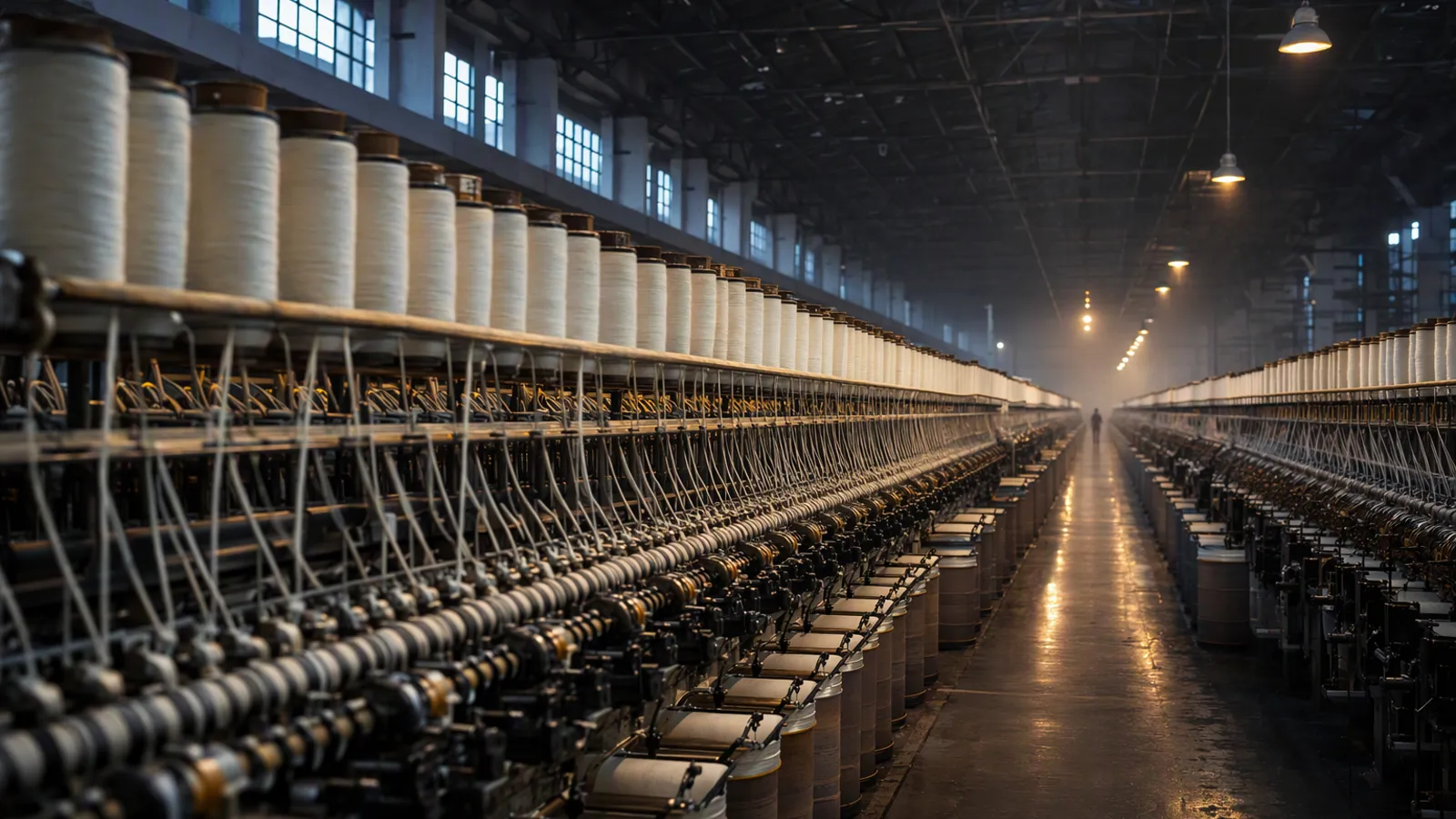
The situation
A batch waited four hours for a quality verdict.
Grasim Industries, part of the Aditya Birla Group, runs fibre production on a wood-to-pulp line where quality control was a batch process. A batch took 4 hours to clear inspection. Four hours is long enough for a problem to keep running: the line kept moving while the verdict was pending, and when a defect finally surfaced, good material had already been committed alongside bad. Inspection by hand could not keep pace with the line's output, so coverage stayed thin and the cost of late answers landed in the material budget. Grasim needed a quality check that moved at the speed of the line, not the speed of the batch cycle.
What we built
AI vision on Azure, reading 10,000 fibre images a day.
We built AI-vision fibre quality control on Azure AI. Images of fibre coming off the wood-to-pulp line feed a computer vision model trained on Grasim's own fibre imagery, which classifies defects at 98 percent detection accuracy. The system reads 10,000 images a day, and a batch that used to wait 4 hours for a quality verdict now gets one in 1 minute. Because the check is fast and automated, defective material is flagged while the batch is still actionable, and that is where the 40 percent material cost saving comes from: catching a defect in minute one instead of hour four means good material stops being written off alongside bad.
How it works
The architecture, stage by stage.
Ingest & store
- Fibre images (about 10,000 a day) → OneLake central image repository
Detect
- Azure AI Vision Studio deep-learning defect model scores each image
Act & monitor
- Fabric Real-Time Analytics (EventHouse + Data Activator) flags below-threshold images → Power BI live quality dashboard
What changed
The outcomes, as the client measures them.
Batch QC turnaround
4 hrs1 minFrom 4 hrs to 1 min
- Batch QC from 4 hours to 1 minute: the quality verdict now lands while the batch is still actionable, not hours after the material has moved on.
- 98 percent defect-detection accuracy: the figure Forbes India reported in its coverage of the deployment.
- 40 percent material cost saved: early detection stops good material from being written off alongside defective batches.
- 10,000 images a day: automated inspection at a scale manual checking could never reach.
- Delivered on Azure AI: production computer vision running live on the wood-to-pulp line, not a pilot.
By the numbers.
4 hrs → 1 min
Batch QC turnaround
98%
Defect-detection accuracy
40%
Material cost saved
Software company MandelBulb has been automating fiber quality inspections for manufacturing giant Grasim Industries... reduce processing time from 4 hours to 1 minute besides achieving a 98 percent defect-detection accuracy.
Facing the same problem?
Start with a working session.
Bring your version of it to a 30-minute working session. We will walk through how this was built and what it would take on your data.