Live telematics and vehicle health
Bring telematics events onto a queryable stream. Surface the condition that needs the fleet operator’s attention.
You receiveLive KPI board
Delivered through Real-Time IntelligenceBring telematics, vehicle health and partner feeds into one operating view so fleet teams can decide on current data.
Telemetry on one stream
Read vehicle events in the operating window.
A reconciled estate
Consolidate databases with evidence before cutover.
Spend follows the workload
Measure platform cost as the fleet changes.
40% lower fleet carbon emissions · FleetEnergies
Telematics arrives continuously while databases and partner feeds stay fragmented. Join the stream to the fleet record so operators can act on a checked view.
Read the live condition
Connect telemetry to the vehicle and its operating context.
Consolidate with evidence
Reconcile each source before relying on the target.
Keep the cost visible
Measure the platform against the workloads it serves.
Start with the decision, follow the data, and leave each engagement with something your team can use.
Bring telematics events onto a queryable stream. Surface the condition that needs the fleet operator’s attention.
You receiveLive KPI board
Delivered through Real-Time IntelligenceSequence legacy fleet databases into bounded migration waves. Reconcile source and target before approving each cutover.
You receiveCutover evidence
Delivered through MigrationsAgree the definitions behind vehicle use and operating performance. Give dispatch and management one reporting model.
You receiveSemantic model
Delivered through Analytics & BIRead Fabric or Databricks bills against fleet workloads. Benchmark and tune the running estate with a measured comparison.
You receiveRefreshed baseline
Delivered through Data Estate OptimizationMap partner feeds into a validated common model. Make record matching and the next integration repeatable.
You receiveOnboarding runbook
Delivered through Data IntegrationAccelerators, agents and products we build and maintain ourselves, brought into an engagement wherever they fit.
Real-time accelerator · Read the fleet
Your own operational events, turned into decisions while the work is still moving.
On the telemetry stream
Explore more about Pulse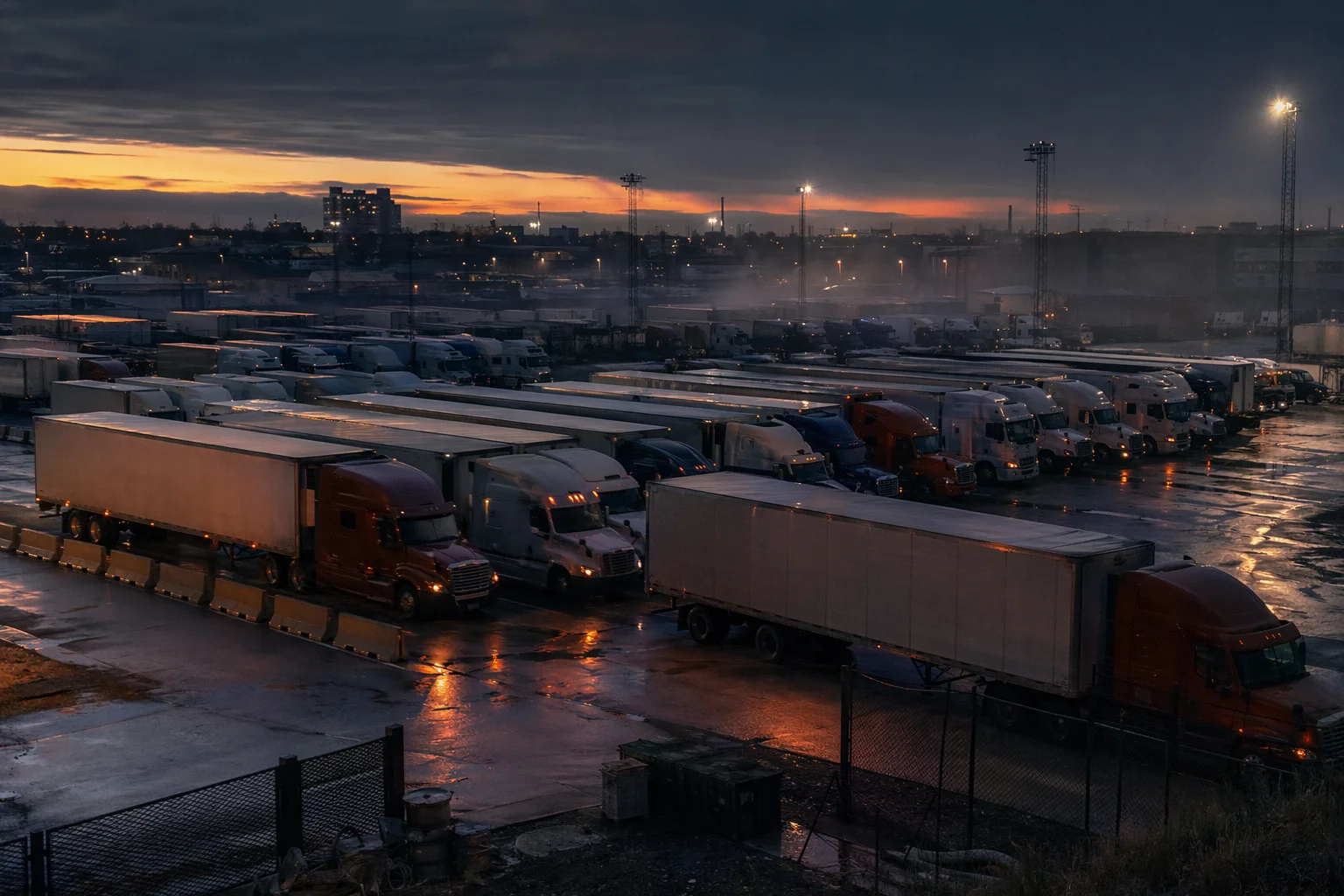
FleetEnergies
Fleet & Logistics
FleetEnergies brought fragmented fleet databases onto Microsoft Fabric with reconciliation at cutover. A common estate made the live telemetry path practical.
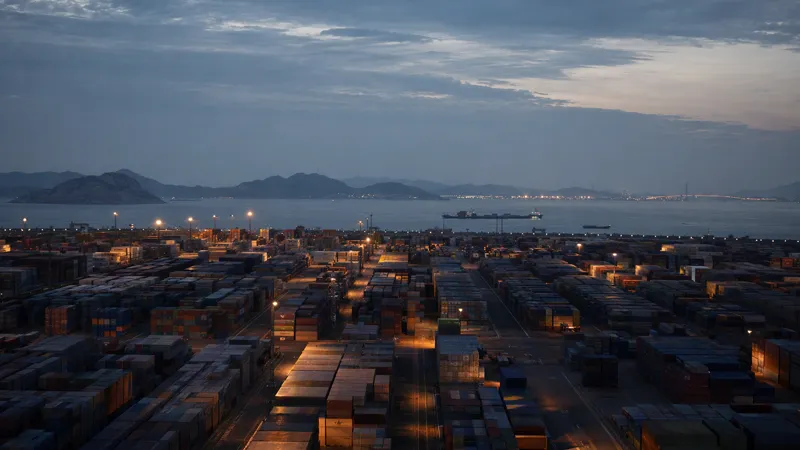

SeAir Exim
Trade intelligence · Export-import data
SeAir Exim moved its trade-intelligence platform onto Microsoft Fabric. Its work connects partner records and entity resolution to faster access to trade data.
In fleet and logistics, data and AI are most useful for reading vehicle condition while there is still time to act. We bring telematics onto a queryable stream, connect it to each vehicle and its operating context, and surface the condition that needs the fleet operator’s attention. Fragmented fleet databases are consolidated with reconciliation, and partner feeds are matched into a common model.
Fleet teams need a platform that serves both live telemetry and the fleet record, and our work is platform independent: Microsoft Fabric, Databricks or BigQuery for data, with Azure OpenAI, OpenAI, Anthropic, Gemini or a self-hosted model for AI. Pulse, the Kit accelerator for live telemetry, runs natively on Fabric or Databricks, and we read platform bills against fleet workloads so spend follows the work.
Start with the telemetry stream, database estate or partner-data gap you cannot act on yet. Bring it to a 30-minute working session and we define a bounded next step. Typical first steps are one stream of vehicle events on a live KPI board, or one bounded migration wave from a legacy database, reconciled before cutover.
Fleet data needs agreed owners, access rules and definitions before it is consolidated. Reconcile each source against the target before relying on it, keep a record of every cutover approval, and agree the definitions behind vehicle use and operating performance so dispatch and management read the same numbers. Partner records should be matched in a validated model, not by hand.
A first engagement delivers one artifact the fleet team can use. Depending on the starting point, that is a live KPI board for telematics, cutover evidence for a migration wave, a semantic model for fleet KPIs or an onboarding runbook for partner feeds. Each phase is fixed price, fixed scope and priced up front.
For Fleet & Logistics, the four practices run as one loop.
Judgment before the build. We map what your data can actually do for the business, price the path, and hand you a plan you keep, whichever way you decide.
We move your data out of aging systems onto a foundation built for what comes next, without losing a single number along the way.
The work your teams feel every day: live operational intelligence, reporting people trust, and AI that acts inside the systems you already run.
A running estate quietly gathers waste. We find it, tune it, and turn the savings into the budget for whatever you build next.
Bring the telemetry stream, database estate or partner-data gap. We will define a bounded next step in a 30-minute working session.